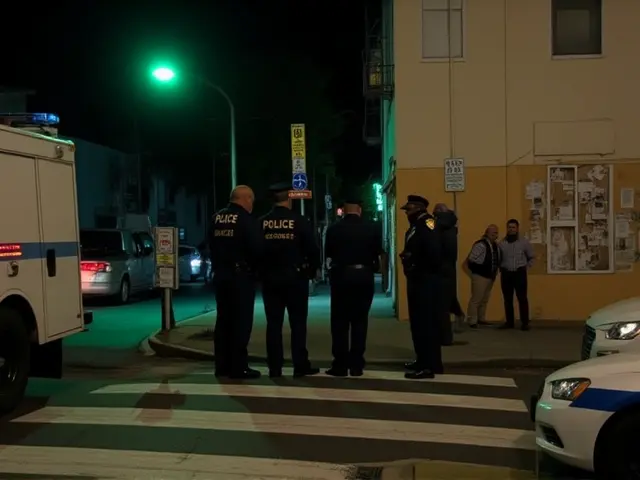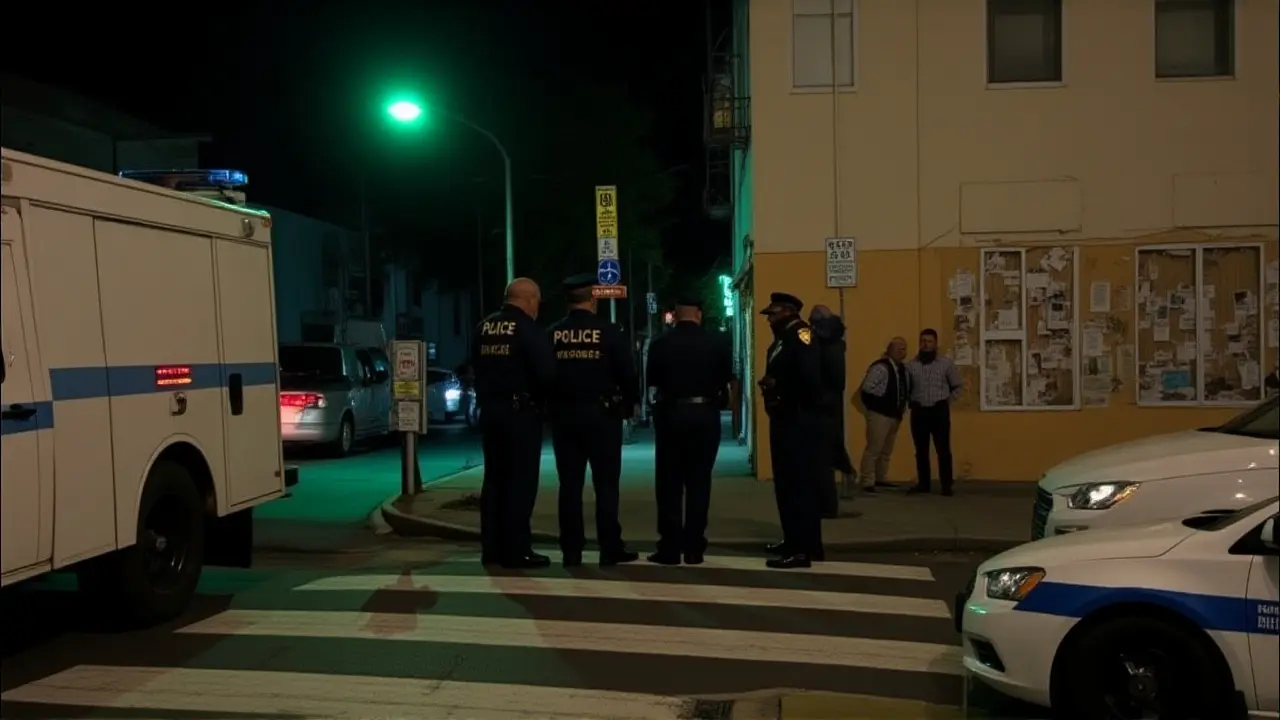
Gunfire erupted on the streets of Chicago's South Side just after 10:30 p.m. on Monday, May 11, 2026, leaving a suspect seriously wounded and two officers hospitalized for observation. The incident, which unfolded near the intersection of 82nd Street and South Shore Drive, highlights the volatile nature of tactical responses to armed suspects in densely populated neighborhoods.
Here’s the thing about these high-stakes encounters: they often happen in a matter of minutes, with decisions made under extreme pressure. In this case, Chicago Police Department tactical units were responding to a specific tip about an armed individual. What followed was a chase, a confrontation, and a violent exchange that has now triggered a standard but rigorous accountability review.
The Timeline of Events
It started with a radio call. Officers were dispatched to the area near 82nd and South Shore Drive based on reports of a person carrying a weapon. According to scanner traffic and initial police statements, officers spotted a man matching the description provided over the airwaves. Instead of surrendering or remaining still, the suspect took off running toward the 3100-block of East 83rd Street.
The pursuit didn’t end quickly. As officers attempted to de-escalate the situation—shouting commands and trying to establish control—the interaction turned deadly. A shootout ensued. During the exchange of gunfire, the suspect was struck multiple times. He was taken into custody at the scene and immediately transported to the hospital.
Interestingly, the violence wasn't contained to a single spot. Scanner traffic indicated that officers recovered a firearm in a church parking lot at 83rd and Brandon Avenue, just one block from where the initial confrontation began. This suggests the suspect may have discarded his weapon during the chase or the struggle, adding another layer of complexity to the evidence collection process.
Aftermath and Medical Status
The human cost of such incidents is immediate and tangible. The suspect, whose identity has not been publicly released pending family notification, was rushed to University of Chicago Medical Center. As of Tuesday morning, May 12, 2026, he remains in serious to critical condition. Medical teams are working to stabilize him, but the severity of his injuries underscores the lethality of the encounter.
For the officers involved, the outcome was less physically damaging but no less stressful. Neither of the two officers who engaged the suspect was shot. However, protocol dictates that they be transported to a local area hospital for precautionary observation. This is standard procedure following any officer-involved shooting (OIS), ensuring there are no hidden injuries from debris or stress-related issues before they can give formal statements.
Both officers have since been placed on administrative leave. It’s important to understand what this means: it’s not a punishment or an indication of guilt. Rather, it’s a procedural step that removes them from active duty while the investigation unfolds, allowing them to focus on their statements and reducing potential distractions.
COPA Investigation Underway
In Chicago, when police fire their weapons, the Chicago Office of Police Accountability (COPA) takes the lead. This independent body is tasked with investigating all officer-involved shootings to determine whether force was used appropriately according to department policy and state law.
COPA investigators began canvassing the neighborhood early Tuesday morning. They reviewed body-worn camera footage, vehicle dash cams, and interviewed personnel involved in the incident. The recovery of the firearm at the church parking lot will be a key piece of physical evidence. Forensic teams will analyze the weapon to confirm if it matches the ammunition found at the scene and link it definitively to the suspect.
The investigation is ongoing. COPA typically takes weeks, sometimes months, to release a preliminary finding. Their report will detail the sequence of events, the split-second decisions made by the officers, and whether the use of lethal force was justified under the circumstances. For the community, this period of waiting is often fraught with anxiety and frustration.
Community Impact and Context
This incident is not an isolated event. It represents another data point in the broader narrative of gun violence and police-community relations in Chicago. The South Side, particularly areas around the 80th Street corridor, has historically struggled with higher rates of violent crime. Residents living near 83rd and Brandon likely heard the gunfire, adding to the collective trauma experienced by neighborhoods already burdened by frequent emergencies.
Local leaders often emphasize the need for both accountability and support for first responders. While the public demands transparency, officers argue they face life-or-death decisions every shift. The tension between these perspectives defines the political and social landscape surrounding OIS investigations.
As the sun rose on Tuesday, May 12, the street remained quiet, but the implications lingered. The suspect’s fate hangs in the balance, the officers await their hearing, and COPA continues its meticulous work. For now, the community waits for answers, hoping that this tragedy might lead to a deeper understanding of how such confrontations can be prevented in the future.
Frequently Asked Questions
What is the current condition of the suspect?
The suspect is currently hospitalized at the University of Chicago Medical Center in serious to critical condition. He was taken into custody immediately after being wounded during the shootout on Monday night, May 11, 2026. His identity has not been publicly released by authorities.
Were any police officers injured in the shooting?
No officers were shot during the incident. However, both officers involved were transported to a local hospital as a precautionary measure for observation. This is standard protocol following any officer-involved shooting to ensure their health and safety before they proceed with official statements.
Who is investigating this officer-involved shooting?
The Chicago Office of Police Accountability (COPA) is leading the investigation. COPA is an independent agency responsible for reviewing all officer-involved shootings in Chicago. They examine video footage, interview witnesses, and analyze physical evidence to determine if department policies were followed.
Why were the officers placed on administrative leave?
Administrative leave is a standard procedural step in Chicago for officers involved in shootings. It does not imply guilt or misconduct. Instead, it allows the officers to remove themselves from active duty to focus on the investigation process, provide detailed statements, and avoid potential conflicts of interest while the inquiry is ongoing.
Where exactly did the shootout take place?
The incident began near 82nd Street and South Shore Drive when officers responded to a report of an armed person. The confrontation escalated in the 3100-block of East 83rd Street. Additionally, a firearm was recovered in a church parking lot at the intersection of 83rd Street and Brandon Avenue, approximately one block away.