Libya’s Government of National Unity, led by Minister Imran Al-Qayeb, is deploying blockchain to authenticate university certificates, combating decades of credential fraud and rebuilding global academic trust amid post-2011 instability.

When we talk about education reform, systemic changes aimed at improving how students learn, who gets access, and how schools are funded. Also known as learning system overhaul, it’s not just about new textbooks or longer school days—it’s about fixing broken promises that keep kids out of classrooms. Across Africa, this isn’t theoretical. It’s happening in Kimberley, where over 500 students are being kicked out of their homes because the National Student Financial Aid Scheme, South Africa’s main student funding program. Also known as NSFAS, it’s meant to cover tuition, housing, and meals for low-income learners failed to pay landlords for over a year. That’s not a glitch. That’s a system collapse.
Reform isn’t just about money—it’s about trust. When students in Nigeria hear about politicians plotting arrests for speaking up about education, or when Kenyan workers see their pension contributions double but nothing changes in schools, they start asking: who’s this reform really for? learning access, the ability of every child, regardless of income or location, to get a quality education. Also known as equitable schooling, it’s the goal every policy claims to support often gets lost in bureaucracy. The Democratic Alliance, a major political party in South Africa that has pushed for accountability in public education spending. Also known as DA, it’s one of the few voices demanding answers when NSFAS money vanishes isn’t the only group calling out failures. Across the continent, students, teachers, and parents are pushing back—not with protests alone, but with data, lawsuits, and public pressure.
What’s clear from the stories breaking right now is that education reform in Africa isn’t one big plan. It’s a patchwork of crises. One day it’s a student in Kimberley facing eviction because a grant didn’t arrive. The next, it’s a minister in Nigeria being accused of silencing activists who speak about school conditions. These aren’t isolated events. They’re symptoms of the same problem: funding promises made but never kept, systems designed to help but run by people who don’t answer to those they serve. And while global headlines focus on exams or rankings, the real battle is happening in rented rooms, on dusty roads to distant schools, and in the silence of kids who never got the chance to start.
What follows are the stories that show how education reform is playing out on the ground—not in policy papers, but in eviction notices, protest signs, and the quiet determination of students who refuse to give up. You’ll see who’s fighting, who’s failing, and where real change might still be possible.
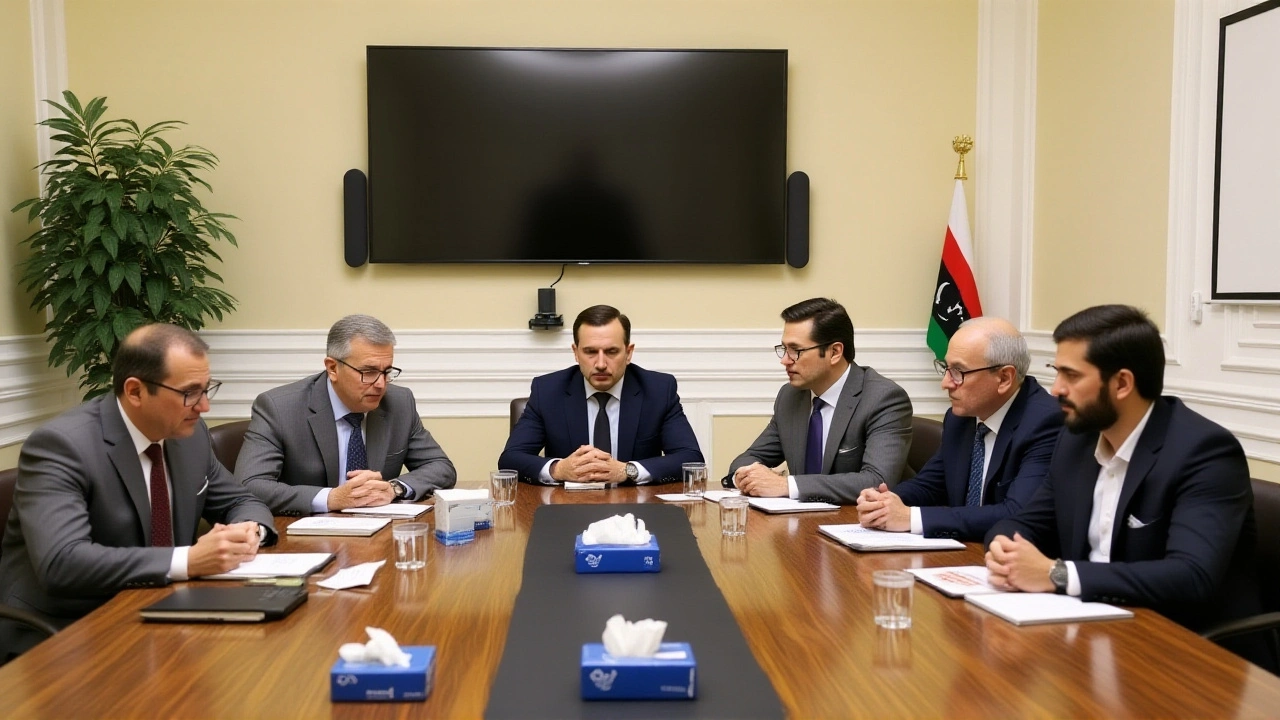
Libya’s Government of National Unity, led by Minister Imran Al-Qayeb, is deploying blockchain to authenticate university certificates, combating decades of credential fraud and rebuilding global academic trust amid post-2011 instability.
Education