Libya’s Government of National Unity, led by Minister Imran Al-Qayeb, is deploying blockchain to authenticate university certificates, combating decades of credential fraud and rebuilding global academic trust amid post-2011 instability.

ALECSO, the Arab League Educational, Cultural and Scientific Organization, is a regional body that supports education, science, and culture across Africa and the Arab world. Also known as المنظمة العربية للتربية والثقافة والعلوم, it’s one of the few international agencies with a direct mandate to link African and Arab nations through shared learning and heritage projects. While many assume it only serves Arab countries, ALECSO has deep roots in Africa—working with governments from Senegal to Sudan to reform school curriculums, train teachers, and protect historical sites.
It doesn’t just hand out grants. ALECSO runs real programs: it helped design digital literacy standards in Nigeria, funded Arabic language teacher training in Mali, and supported the restoration of ancient manuscripts in Timbuktu. It also partners with UNESCO, the United Nations agency focused on global education and cultural preservation, to align African priorities with international goals. When Kenya raised its national education funding in 2025, ALECSO provided technical input on curriculum modernization. When Ghana launched a new youth skills program, ALECSO helped source Arabic and African language learning materials.
Its work connects to bigger themes like South-South cooperation, the collaboration between developing nations in Africa, Asia, and Latin America to share knowledge without Western intermediaries. That’s why you’ll see ALECSO-linked projects in Nigeria’s biotech push and in cultural exchanges between Cuba and Sudan. It’s not about ideology—it’s about practical support: building libraries, digitizing archives, training librarians in rural areas, and helping universities in conflict zones stay open.
You won’t find ALECSO in headlines often, but its fingerprints are everywhere in African education policy. If you’ve read about a new African university partnership, a cultural festival sponsored by an Arab nation, or a literacy drive in the Sahel, there’s a good chance ALECSO was behind it. Below, you’ll find real stories of how this organization influences classrooms, museums, and policy debates across the continent—without fanfare, but with lasting impact.
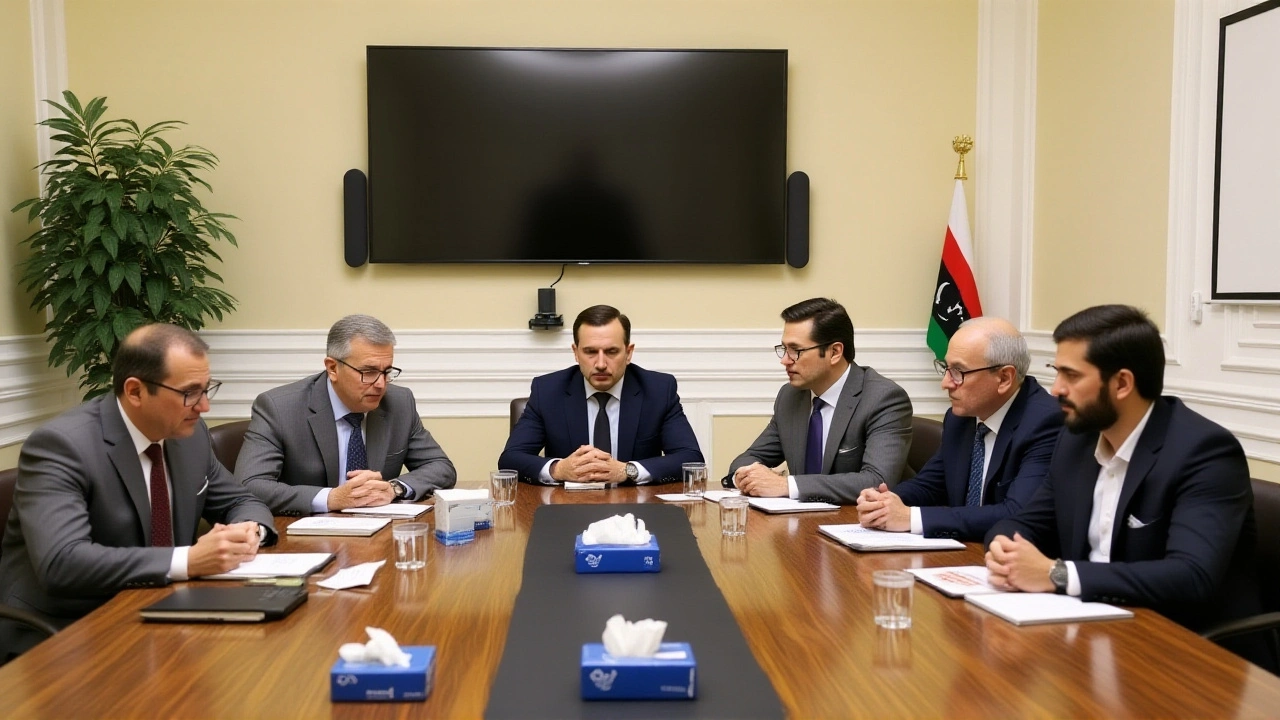
Libya’s Government of National Unity, led by Minister Imran Al-Qayeb, is deploying blockchain to authenticate university certificates, combating decades of credential fraud and rebuilding global academic trust amid post-2011 instability.
Education