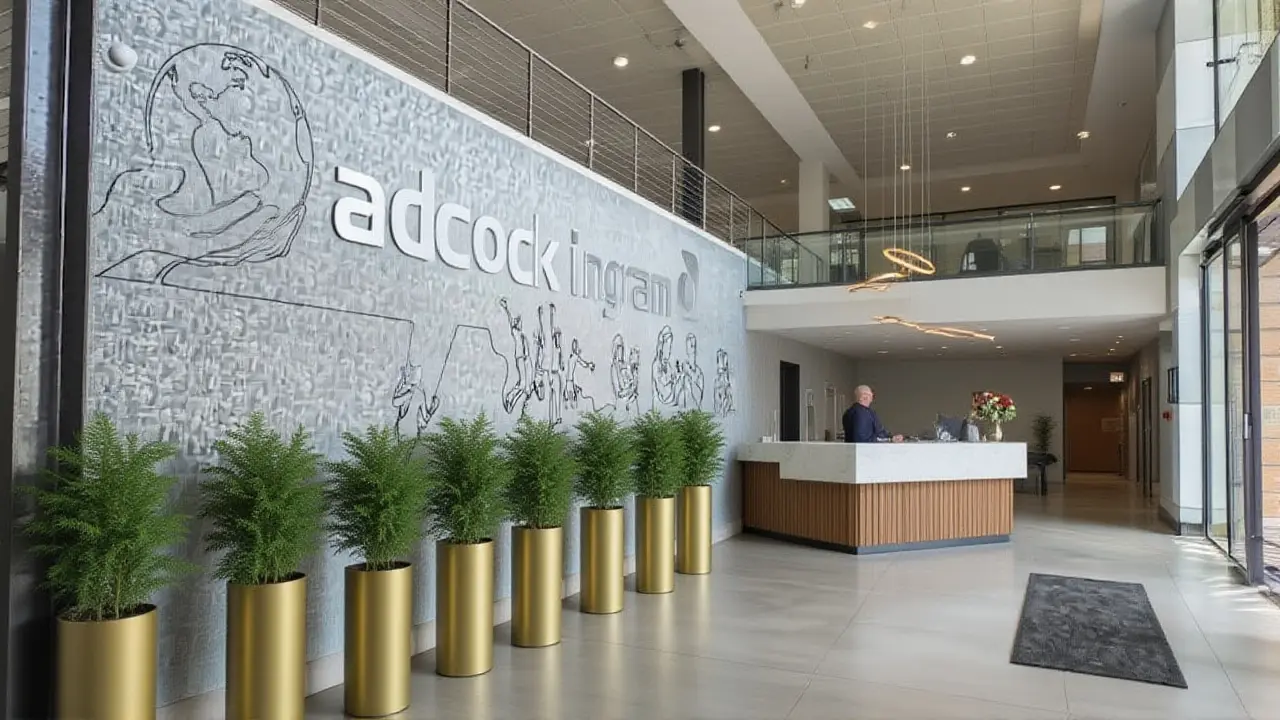
Indian pharmaceutical giant Natco Pharma Limited has officially completed its takeover of a significant minority stake in South Africa’s Adcock Ingram Holdings Limited, marking the end of an era for the historic drugmaker as it leaves public markets. The Hyderabad-based firm acquired a 35.75% equity share in an all-cash deal valued at approximately ZAR 4 billion (roughly US$226 million), effectively privatizing the company and removing it from the Johannesburg Stock Exchange.
The delisting was finalized on November 11, 2025, following overwhelming shareholder approval that came through in October. Now, Adcock Ingram operates as a private entity jointly owned by Natco and The Bidvest Group, which retains majority control with a 64.25% holding. For investors who held shares in the 135-year-old firm, this means their exit is complete; for the industry, it signals a major shift in how Indian pharma companies are expanding into Africa.
A Strategic Gateway Into Africa
Here’s the thing: this isn’t just another corporate merger. It’s a calculated move to plant a flag in one of the world’s fastest-growing pharmaceutical markets. By acquiring Adcock Ingram, Natco gains immediate access to established distribution networks, hospital supply chains, and brand recognition across Southern Africa. The deal allows Natco to consolidate 35.75% of Adcock Ingram’s net profits directly into its own financial results, boosting revenue diversification beyond its home market in India.
Industry analysts have called this Natco’s largest overseas expansion to date. While many Indian pharma firms focus on generic exports to Europe or North America, Natco is betting big on local ownership in emerging economies. The strategy mirrors moves by other global players looking to secure supply chain resilience and grow alongside rising healthcare demands in Africa. With Adcock Ingram commanding roughly 10% of South Africa’s private pharmaceutical market and leading in critical-care supplies, the asset is far from small potatoes.
The Deal Timeline and Shareholder Reaction
The process unfolded quickly once the cards were laid on the table. On July 23, 2025, Natco issued a firm intention offer to buy out minority shareholders at ZAR 75.00 per share. That announcement alone sent shockwaves through the market, triggering a 20% jump in Adcock Ingram’s stock price within days. Investors clearly saw value in the premium offered compared to pre-deal trading levels.
But wait—there was still regulatory and shareholder hurdles to clear. In October 2025, more than 98% of Adcock Ingram’s shareholders voted in favor of the proposal. That level of support is rare in hostile or contested takeovers, suggesting that minority holders were satisfied with the cash payout and perhaps weary of the volatility associated with being a publicly traded minority stakeholder. By mid-November, the paperwork was signed, stamps were affixed, and the ticker symbol disappeared from the JSE board.
What This Means for Operations
Despite the change in ownership structure, daily operations won’t feel different to patients or doctors. Natco has emphasized that Adcock Ingram will continue operating as a standalone South African business. There are no plans to relocate manufacturing hubs or dissolve existing partnerships. Instead, the goal is synergy: leveraging Natco’s R&D capabilities and global sourcing while keeping Adcock Ingram’s local expertise intact.
This continuity matters because Adcock Ingram isn’t just any pharmacy supplier. Founded around 1890–1891, it’s grown from a small dispensary into a household name with brands recognized across the continent. Its portfolio includes prescription drugs, over-the-counter remedies, consumer health products, and specialized hospital formulations. Disrupting that ecosystem would be counterproductive—and neither side wants that risk.

Financial Implications and Market Context
From a valuation standpoint, the numbers tell an interesting story. Adcock Ingram is estimated to be worth approximately ZAR 11 billion (US$632 million) based on recent earnings reports showing revenues of ZAR 9.6 billion for the fiscal year ending June 2024. Natco’s ZAR 4 billion investment for a 35.75% stake aligns neatly with that broader valuation framework, implying they aren’t paying a massive control premium but rather securing strategic influence.
For Natco, whose own market capitalization fluctuates between $1.5 billion and $2 billion depending on currency exchange rates, this represents a meaningful allocation of capital. However, given the projected growth trajectory of African healthcare spending—which is expected to double by 2030 according to World Bank estimates—the long-term ROI could justify the upfront cost. Plus, consolidating nearly a third of Adcock Ingram’s profits provides instant visibility on bottom-line improvements.
Expert Perspectives and Industry Ripple Effects
Rajeev Menon, Manager of Investor Relations at Natco Pharma, noted during press briefings that the acquisition reflects confidence in both partners’ complementary strengths. He didn’t mince words about the ambition behind the move: “This is pivotal,” he said. “It positions us not just as exporters, but as integrated stakeholders in key growth markets.”
Meanwhile, competitors are watching closely. Other multinational pharma firms may now reconsider their strategies in Southern Africa, knowing that a well-capitalized player like Natco has secured a foothold via acquisition rather than greenfield development. Regulatory bodies in neighboring countries might also tighten scrutiny on foreign acquisitions of essential healthcare assets—a trend already visible in parts of East and West Africa.
Looking Ahead: What’s Next?
With the dust settled on the legalities, attention turns to integration. Over the next 12–18 months, expect joint initiatives around product pipeline optimization, digital health infrastructure upgrades, and potentially new manufacturing facilities tailored to regional needs. Natco has hinted at exploring opportunities to expand Adcock Ingram’s footprint into Francophone Africa, where demand for affordable generics remains high.
Also worth monitoring is how The Bidvest Group leverages its majority position. As a diversified industrial conglomerate with interests in logistics, retail, and engineering, Bidvest could facilitate cross-industry synergies—for instance, using its transport network to streamline drug distribution across rural areas. If executed well, this partnership model could become a blueprint for future Indo-African collaborations.
Frequently Asked Questions
Why did Adcock Ingram get delisted from the JSE?
Adcock Ingram was delisted because Natco Pharma acquired enough shares from minority investors to make continued public listing unnecessary. With over 98% shareholder approval, the company transitioned to private ownership under joint control by Natco and Bidvest Group, allowing greater operational flexibility without quarterly reporting obligations.
How much did Natco pay for its stake?
Natco paid approximately ZAR 4 billion (around US$226 million) in an all-cash transaction to acquire a 35.75% stake in Adcock Ingram. The offer price was set at ZAR 75.00 per share, which represented a premium over previous market valuations and reflected confidence in the company’s future growth potential.
Will there be job losses after the acquisition?
No major layoffs are anticipated. Both companies have stated that Adcock Ingram will continue operating independently with unchanged management teams and workforce structures. The focus is on enhancing efficiency through shared resources rather than cutting costs via redundancies.
Is this part of a larger trend among Indian pharma firms?
Yes, increasingly so. Several Indian pharmaceutical companies—including Sun Pharma, Dr. Reddy’s, and Cipla—have expanded into African markets through acquisitions or joint ventures. These moves aim to capitalize on growing healthcare access gaps and favorable demographics, positioning them as key suppliers in underserved regions.
When exactly did the deal close?
The official completion date was November 11, 2025, when Adcock Ingram ceased trading on the Johannesburg Stock Exchange. Natco confirmed the closure publicly the following day, November 12, 2025, signaling full transfer of ownership rights and commencement of consolidated accounting practices.