Portugal faces Armenia in a must-win World Cup qualifier without Cristiano Ronaldo, needing victory to secure automatic qualification for the 2026 World Cup in North America. Indian viewers can watch on Sony Sports Network and Sony Liv.

When you think of Portugal, a small European nation with a centuries-long history of overseas expansion and cultural exchange. Also known as the origin of the Lusophone world, it still holds deep ties to many African countries through language, law, and shared history. This isn’t just about old maps or faded empires. Today, Portugal’s influence shows up in courtrooms in Angola, classrooms in Mozambique, and newsrooms across Cape Verde. It’s not a one-way street either—Africa reshapes Portugal every day, from its music scenes to its immigration policies.
Take Lusophone Africa, the group of African nations where Portuguese is an official language. Also known as the Portuguese-speaking African countries, it includes Angola, Mozambique, Guinea-Bissau, Cape Verde, São Tomé and Príncipe, and even Equatorial Guinea. These aren’t just former colonies—they’re active partners. Portuguese is the language of government, education, and media there. That means stories from Maputo or Luanda often get picked up in Lisbon, and vice versa. You’ll see this in how news spreads: a policy change in Angola might trigger a debate in Portugal’s parliament. A student protest in Praia could echo in Lisbon’s universities. The connection isn’t symbolic—it’s daily. Then there’s the African diaspora in Portugal, the growing population of Africans and their descendants living in Portugal. Also known as Afro-Portuguese communities, they’re not just immigrants—they’re voters, entrepreneurs, and cultural drivers. Their presence has forced Portugal to confront its past and rethink its identity. That’s why stories about racism, education access, or citizenship rights in Portugal often trace back to African roots. Even sports and entertainment show the link: players with Angolan or Cape Verdean heritage play for Portugal’s national team. Portuguese TV networks broadcast African football leagues. This isn’t nostalgia—it’s living, breathing connection.
What you’ll find in the posts below isn’t a random mix. It’s a collection that reflects how Portugal’s legacy plays out in real time—through education reforms in Libya (yes, even there), through legal battles over land rights in former colonies, through the quiet but powerful ways African voices are reshaping Portuguese media. You won’t find fluff here. Just real stories where Portugal and Africa intersect—sometimes in conflict, often in collaboration. This is the Africa that doesn’t make global headlines but changes lives every day. Keep reading—you’ll see what that looks like.
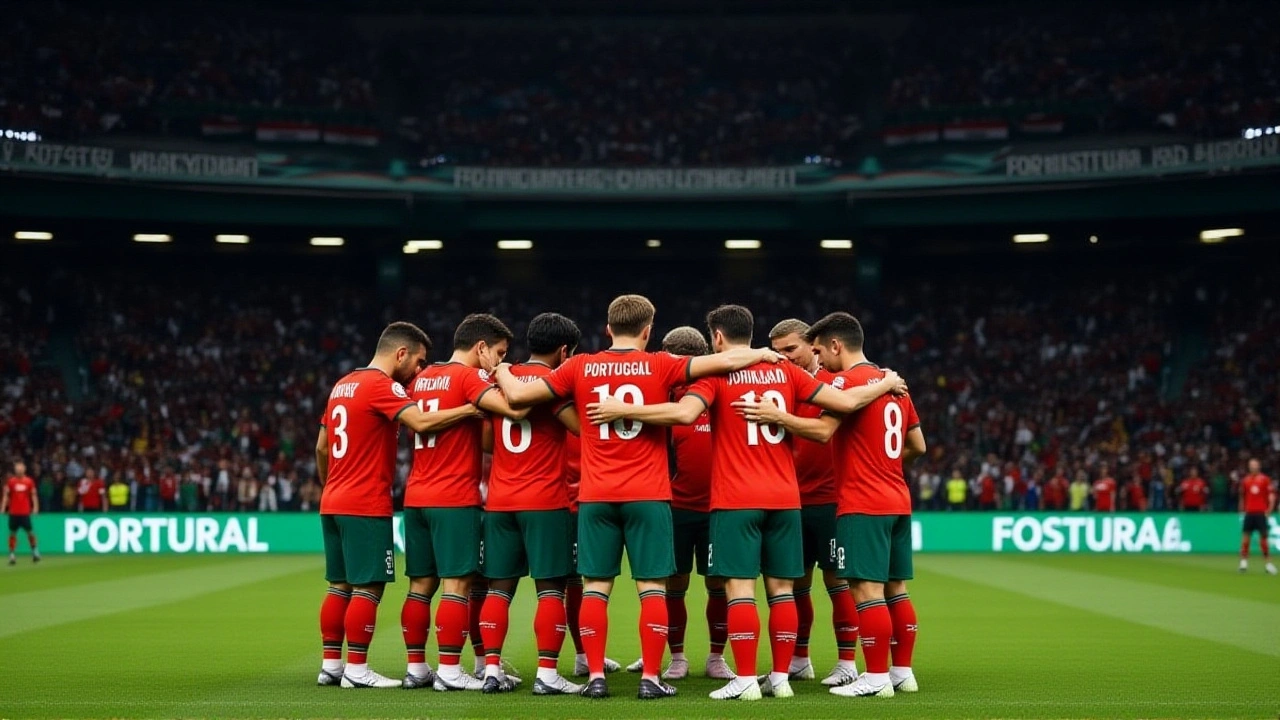
Portugal faces Armenia in a must-win World Cup qualifier without Cristiano Ronaldo, needing victory to secure automatic qualification for the 2026 World Cup in North America. Indian viewers can watch on Sony Sports Network and Sony Liv.
Sports