Libya’s Government of National Unity, led by Minister Imran Al-Qayeb, is deploying blockchain to authenticate university certificates, combating decades of credential fraud and rebuilding global academic trust amid post-2011 instability.

When you think of Libya, a North African nation with a complex history of tribal alliances, oil wealth, and foreign intervention. Also known as the Libyan State, it’s a country where power has shifted between warlords, interim governments, and external actors for over a decade. Libya isn’t just another headline—it’s a real place where daily life, oil exports, and regional alliances are constantly being rewritten. From the capital Tripoli, the political and economic center of Libya, home to competing governments and international embassies to the desert strongholds of eastern Libya, the country remains divided in practice, even if official unity is claimed.
What makes Libya different from other African nations is how deeply foreign influence shapes its future. Countries like Turkey, Russia, Egypt, and the UAE have all backed rival factions, turning local power struggles into proxy battles. The Libyan National Army, the eastern-based military force led by Khalifa Haftar, backed by Egypt and Russia clashes in rhetoric and sometimes in gunfire with the UN-recognized government based in Tripoli. This isn’t just about territory—it’s about control of Libya’s oil fields, migration routes, and strategic ports. And while global media often moves on, locals are still dealing with the fallout: power cuts, inflation, and families caught in the middle.
There’s no single story here. One day, the news might be about a ceasefire brokered in Algeria. The next, it’s about a new militia taking over a coastal town, or a spike in migrant crossings from Libya to Italy. The GNA (Government of National Accord), the UN-backed administration that once held international recognition but now shares power uneasily with eastern rivals still exists on paper, but real authority is scattered. Even the oil industry, Libya’s lifeblood, is run by competing entities, with revenues split between factions. No one’s in full control—and that’s exactly why the situation stays volatile.
What you’ll find in this collection isn’t just headlines. It’s the real, messy, human side of Libya: the protests in Benghazi, the quiet rebuilding in Misrata, the foreign troops still stationed near oil terminals, and the families waiting for news from the front lines. These aren’t distant events—they’re daily realities that ripple across Africa and into Europe. Whether it’s about diplomacy, displacement, or the fight for resources, this page brings you the facts without the noise. Below, you’ll see how recent events connect to the bigger picture—and why Libya still matters more than most people realize.
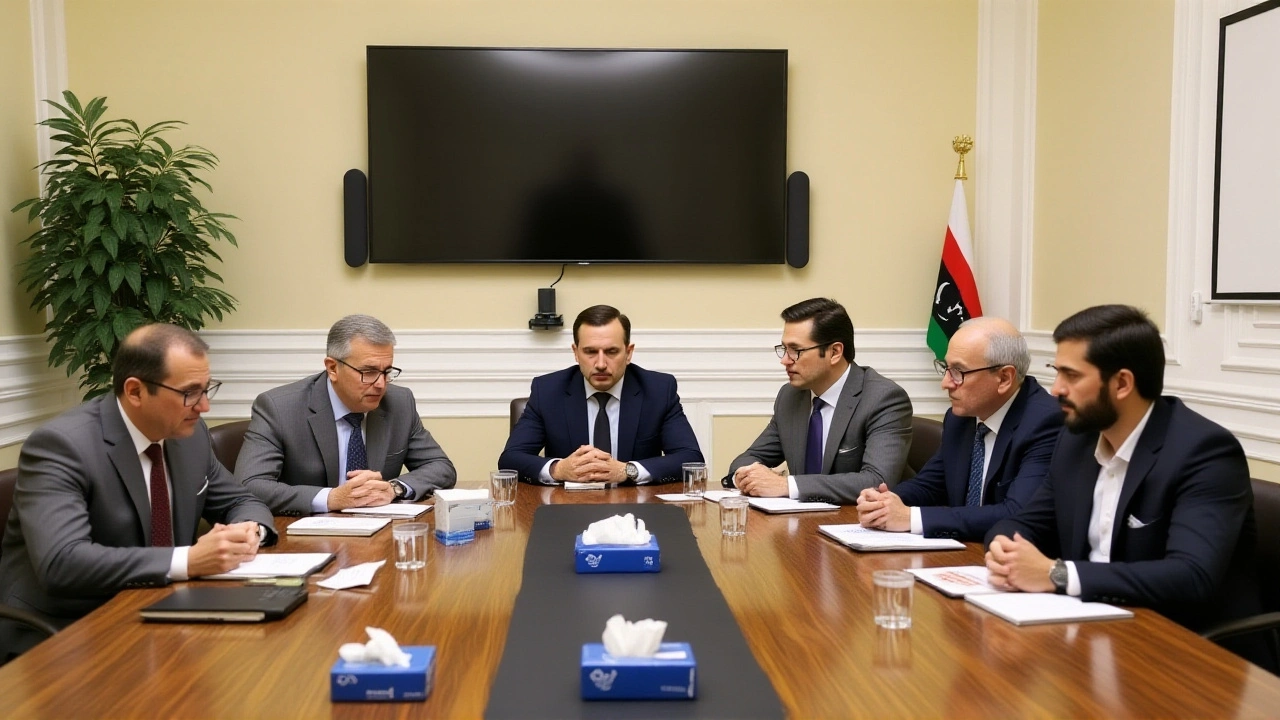
Libya’s Government of National Unity, led by Minister Imran Al-Qayeb, is deploying blockchain to authenticate university certificates, combating decades of credential fraud and rebuilding global academic trust amid post-2011 instability.
Education